
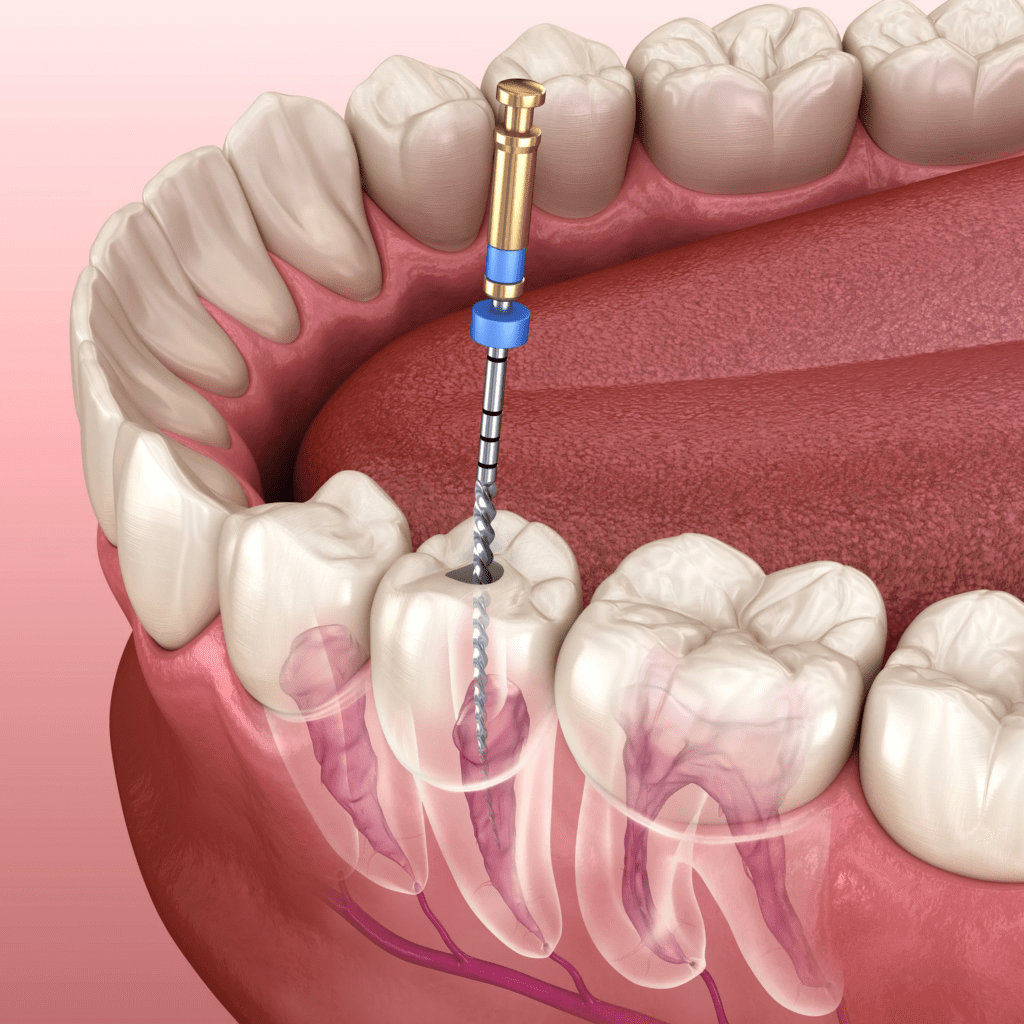
Tooth pain can affect every part of daily life. Eating becomes uncomfortable, sleep gets disturbed, and even simple conversations feel irritating when severe dental pain starts. One of the most common treatments used to save infected teeth is root canal treatment, also called RCT.
Many patients become anxious after hearing the words “root canal.” Most fears come from outdated stories and misconceptions. Modern root canal treatment is far more comfortable, advanced, and effective than people imagine.
Patients searching online for:
- Root canal treatment in Kochi
- Painless root canal treatment
- Best dentist for RCT in Kochi
- Tooth pain treatment in Kochi
- Root canal specialist near me
…are usually looking for fast pain relief and a way to save their natural tooth.
This detailed guide explains everything about root canal treatment including symptoms, causes, procedure, recovery, cost factors, myths, aftercare, and how to choose the right dental clinic in Kochi.
What Is Root Canal Treatment?
Root canal treatment is a dental procedure used to save a severely infected or damaged tooth.
Inside every tooth is a soft tissue called dental pulp. This pulp contains:
- Nerves
- Blood vessels
- Connective tissue
When bacteria enter the pulp through deep cavities, cracks, or injuries, infection develops. Without treatment, the infection may spread and eventually lead to severe pain, swelling, and tooth loss.
Root canal treatment removes the infected pulp, cleans the inside of the tooth, disinfects it, and seals it safely.
The goal of RCT is to save the natural tooth instead of extracting it.
Why Saving Natural Teeth Is Important
Natural teeth are always better than artificial replacements whenever possible.
Saving your original tooth helps maintain:
- Natural chewing function
- Jaw alignment
- Bone health
- Proper bite balance
- Speech clarity
Tooth extraction without replacement may eventually cause neighboring teeth to shift and create additional dental problems.
Root canal treatment helps preserve the tooth structure and maintain oral health.
Signs You May Need Root Canal Treatment
Not every toothache requires an RCT. However, certain symptoms strongly indicate nerve infection or pulp damage.
Persistent Tooth Pain
Continuous tooth pain is one of the most common warning signs.
Pain may:
- Increase while chewing
- Spread to nearby teeth
- Become worse at night
- Feel throbbing or sharp
Persistent pain should never be ignored.
Sensitivity to Hot and Cold Foods
If sensitivity lasts for several seconds after eating or drinking something hot or cold, it may indicate pulp inflammation.
Temporary sensitivity is common, but prolonged sensitivity often requires dental evaluation.
Swelling Around the Tooth
Swelling near the gums or face may indicate spreading infection.
In severe cases, dental abscesses can develop.
Darkening of the Tooth
An infected tooth sometimes becomes darker due to nerve damage inside the tooth.
Pain While Chewing
Pain during chewing often indicates inflammation around the tooth roots.
Gum Pimples or Pus Formation
Small pimples on the gums may indicate dental infection drainage.
This condition requires immediate treatment.
Common Causes of Root Canal Infection
Several dental problems may lead to nerve infection.
Deep Cavities
Untreated cavities allow bacteria to gradually reach the tooth pulp.
This is one of the most common reasons for RCT.
Cracked or Broken Teeth
Cracks in teeth allow bacteria to enter deeper layers of the tooth.
Repeated Dental Procedures
Multiple restorations on the same tooth may weaken the pulp over time.
Dental Trauma
Accidents or injuries may damage the tooth nerve even if no visible crack appears initially.
Gum Disease
Severe gum infection may affect surrounding tooth structures and lead to complications.
Is Root Canal Treatment Painful?
This is the biggest fear among patients.
Modern root canal treatment is usually not painful because:
- Local anesthesia numbs the area effectively
- Advanced rotary instruments improve precision
- Digital imaging enhances accuracy
- Modern techniques reduce treatment time
In reality, root canal treatment relieves pain caused by infection.
Most patients describe the experience as similar to getting a dental filling.
Step-by-Step Root Canal Procedure
Understanding the treatment process helps reduce fear and anxiety.
Step 1: Examination and Diagnosis
The dentist examines the tooth using:
- Clinical evaluation
- Digital X-rays
- Sensitivity tests
This helps determine the extent of infection.
Step 2: Local Anesthesia
The area around the tooth is numbed to ensure comfortable treatment.
Step 3: Removal of Infected Pulp
A small opening is created in the tooth to access the infected pulp.
The damaged tissue is carefully removed.
Step 4: Cleaning and Shaping
The root canals are cleaned, disinfected, and shaped using specialized instruments.
Step 5: Filling the Canals
The cleaned canals are sealed using biocompatible filling materials.
This prevents future bacterial infection.
Step 6: Crown Placement
In many cases, a dental crown is recommended after RCT to strengthen and protect the tooth.
Why Crowns Are Important After Root Canal Treatment
Teeth that undergo root canal treatment may become weaker over time.
Dental crowns help:
- Prevent tooth fracture
- Restore chewing strength
- Improve aesthetics
- Protect long-term tooth health
Ignoring crown placement may increase the risk of tooth damage later.
How Long Does Root Canal Treatment Take?
Treatment duration depends on:
- Infection severity
- Tooth type
- Number of canals
- Presence of swelling or abscess
Some cases may be completed in a single visit, while others require multiple appointments.
Root Canal Treatment vs Tooth Extraction
Many patients wonder whether extraction is better than RCT.
Advantages of Saving the Natural Tooth
Root canal treatment helps maintain:
- Natural chewing efficiency
- Jaw stability
- Proper tooth alignment
- Bone health
Replacing extracted teeth may later require implants or bridges.
When Extraction May Be Necessary
Extraction may be required if:
- The tooth is severely damaged
- Bone support is inadequate
- Cracks extend below the gum line
Dentists usually try to save natural teeth whenever possible.
Recovery After Root Canal Treatment
Most patients recover comfortably after treatment.
Common Symptoms After RCT
Mild symptoms may include:
- Slight soreness
- Tenderness while chewing
- Mild gum discomfort
These usually improve within a few days.
Recovery Tips
Patients are generally advised to:
- Avoid chewing hard foods initially
- Maintain oral hygiene
- Take prescribed medications
- Attend follow-up visits
Proper aftercare improves long-term success.
Risks of Delaying Root Canal Treatment
Ignoring infected teeth may cause serious complications.
Spread of Infection
Dental infection may spread to surrounding tissues and bone.
Severe Pain
Untreated nerve infection often becomes progressively painful.
Swelling and Abscess Formation
Pus accumulation may lead to swelling and emergency situations.
Tooth Loss
Delaying treatment may eventually make the tooth unsalvageable.
Early treatment improves the chances of saving the tooth.
Common Myths About Root Canal Treatment
Many misconceptions prevent patients from seeking timely care.
Myth 1: Root Canal Treatment Is Extremely Painful
Modern RCT is usually comfortable and designed to relieve pain.
Myth 2: Tooth Extraction Is Better
Saving natural teeth is generally preferable whenever possible.
Myth 3: RCT Causes Illness
There is no scientific evidence supporting this outdated myth.
Myth 4: Pain Means the Tooth Needs Extraction
Many infected teeth can be successfully saved with root canal treatment.
How to Prevent Root Canal Problems
Preventive dental care reduces the risk of severe tooth infection.
Maintain Proper Oral Hygiene
Brush and floss regularly to prevent cavities and gum disease.
Visit the Dentist Regularly
Routine dental checkups help detect problems early
Treat Cavities Early
Small cavities are easier and cheaper to treat before infection reaches the pulp.
Avoid Chewing Hard Objects
Chewing ice or hard materials may crack teeth.
Wear Mouth Protection During Sports
Sports injuries may damage teeth and nerves.
Why Patients in Kochi Prefer Modern Dental Clinics for RCT
Modern dental clinics in Kochi use advanced technologies that improve treatment quality and patient comfort.
Advantages include:
- Digital diagnostics
- Rotary root canal systems
- Better sterilization
- Reduced treatment time
- More precise cleaning
Patients increasingly prefer clinics that combine technology with patient-focused care.
Why Patients Choose Dr Razeena’s All Family Dental Care for Root Canal Treatment in Kochi
Dr Razeena’s All Family Dental Care in Kathrikadavu, Kochi provides patient-focused root canal treatment using modern dental techniques.
The clinic emphasizes:
- Accurate diagnosis
- Comfortable treatment experience
- Advanced dental technology
- Hygiene and sterilization
- Personalized treatment planning
- Long-term tooth preservation
Its central Kochi location makes it accessible for patients from Kathrikadavu, Kadavanthra, Kaloor, and nearby areas.
Importance of Regular Dental Checkups
Routine dental visits help detect:
- Early cavities
- Gum disease
- Tooth cracks
- Infection signs
Early diagnosis often prevents the need for root canal treatment altogether.
Preventive care is always easier and more affordable than treating advanced infection.
Conclusion
Root canal treatment is one of the most effective procedures for saving infected or damaged teeth.
Modern RCT is:
- Safe
- Comfortable
- Highly successful
- Minimally painful
- Tooth-saving
Ignoring tooth pain or infection may lead to severe complications and tooth loss.
Patients searching for root canal treatment in Kochi should choose experienced dental professionals who combine advanced technology with patient-centered care.
Timely treatment not only relieves pain but also preserves natural teeth and protects long-term oral health.
Frequently Asked Questions
Book Your Root Canal Consultation in Kochi
Experiencing tooth pain or sensitivity?
Visit Dr Razeena’s All Family Dental Care in Kathrikadavu, Kochi for advanced root canal treatment, accurate diagnosis, and expert dental care focused on saving your natural teeth.