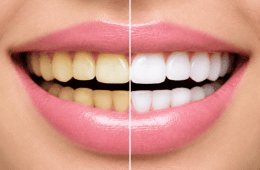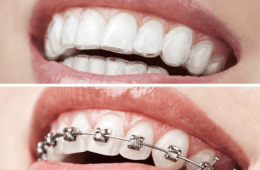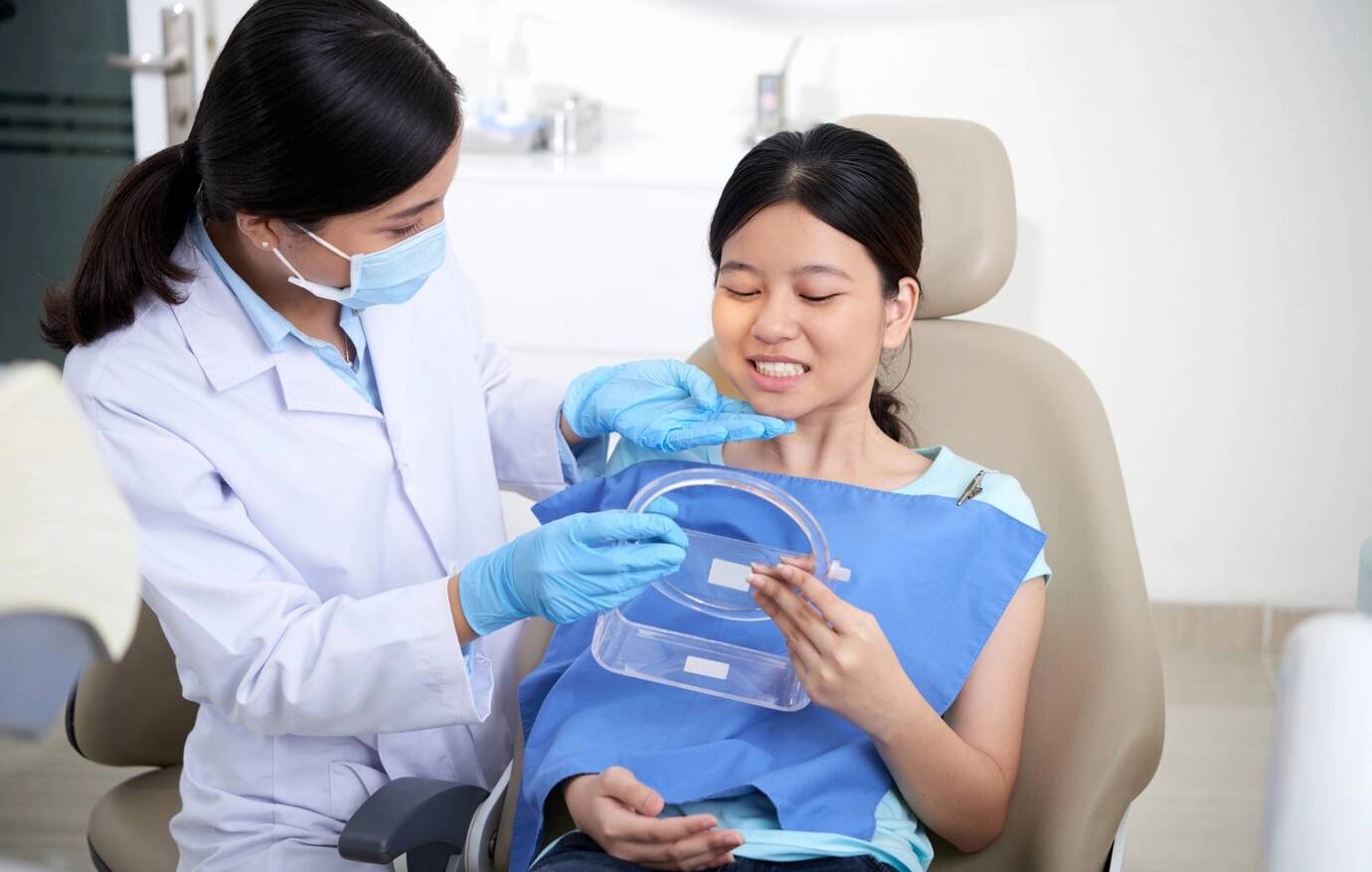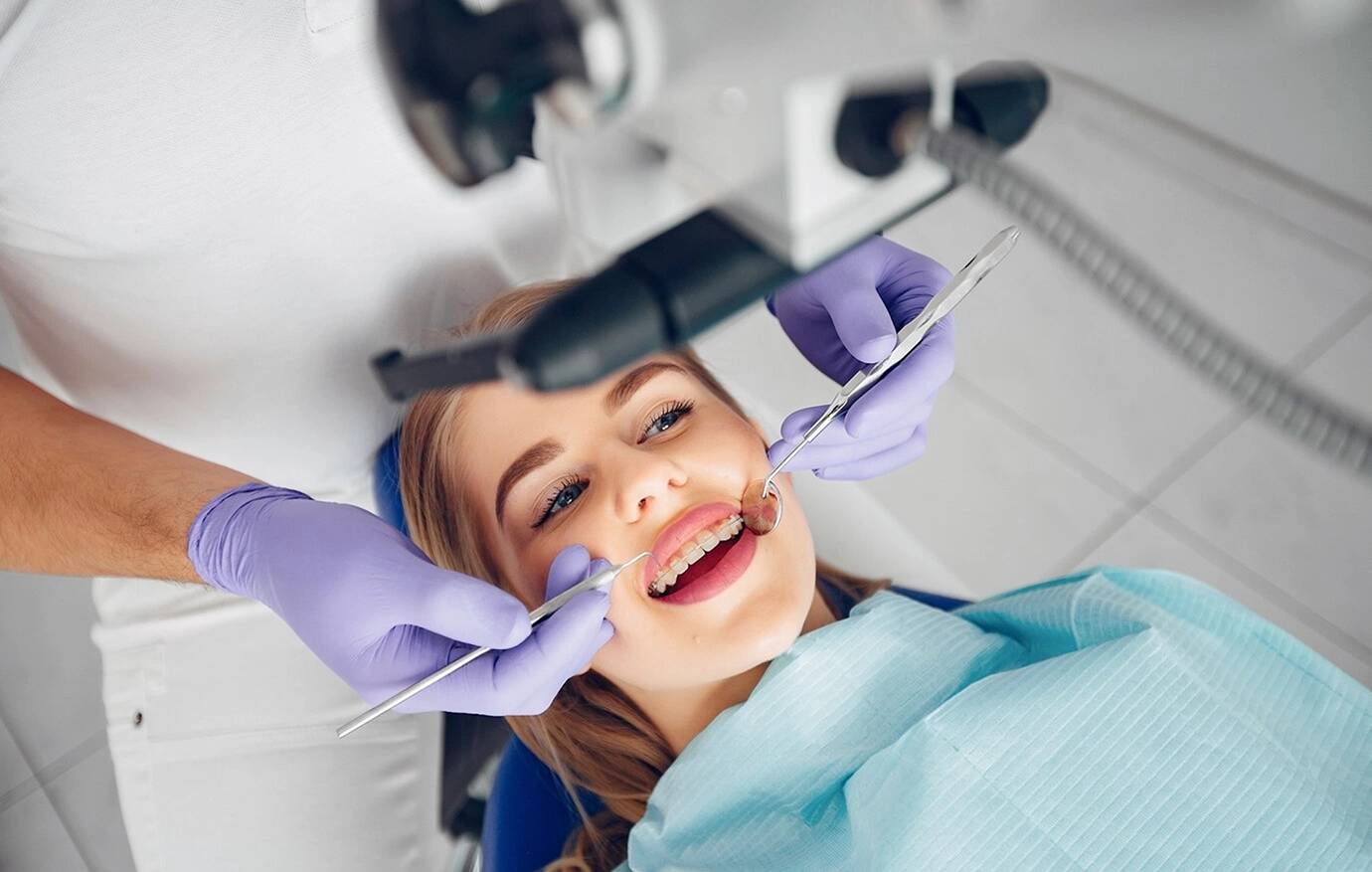
A straight and properly aligned smile improves more than appearance. Correctly aligned teeth help maintain better oral hygiene, improve chewing efficiency, reduce jaw strain, and boost confidence. Today, many teenagers and adults in Kochi are choosing orthodontic treatment not only for cosmetic reasons but also for long-term oral health benefits.
Modern orthodontics has evolved far beyond traditional metal braces. Patients now have access to advanced treatment options including invisible aligners, ceramic braces, and digital smile planning.
People searching online for:
- Invisible aligners in Kochi
- Braces treatment in Kochi
- Clear aligners vs braces
- Best orthodontist in Kochi
- Teeth straightening treatment near me
…often want to understand which treatment option is better for their lifestyle, appearance, comfort, and budget.
This detailed guide explains the differences between invisible aligners and braces, treatment process, advantages, limitations, maintenance, costs, and how to choose the right orthodontic solution in Kochi.
Why Teeth Alignment Matters
Many people think orthodontic treatment is only cosmetic. However, misaligned teeth can create several functional and oral health problems.
Properly aligned teeth help with:
- Better chewing
- Easier cleaning
- Improved speech
- Balanced bite function
- Reduced jaw strain
- Improved smile aesthetics
Crooked or crowded teeth may increase the risk of:
- Cavities
- Gum disease
- Plaque buildup
- Tooth wear
- Jaw pain
Orthodontic treatment improves both oral health and appearance.
What Are Invisible Aligners?
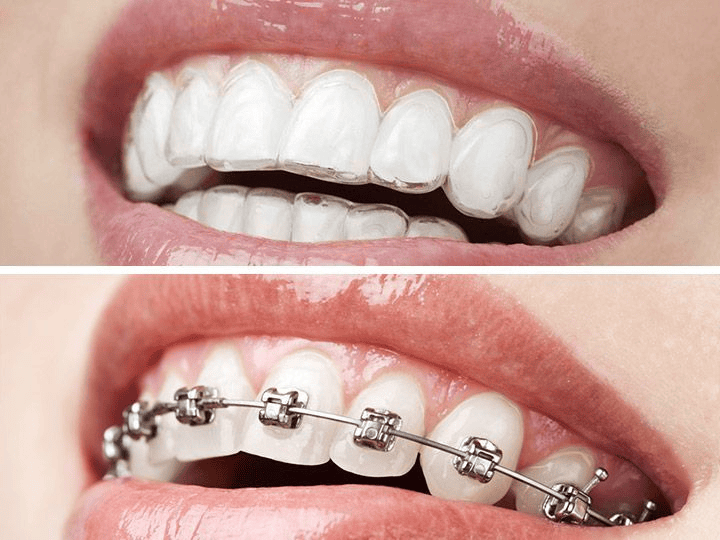
Invisible aligners are transparent removable trays used to gradually straighten teeth.
Each set of aligners applies controlled pressure to move teeth into proper alignment over time.
Aligners are custom-made using digital scans and advanced orthodontic planning.
Patients typically change aligners every few weeks as treatment progresses.
What Are Traditional Braces?
Braces use brackets and wires attached to the teeth to gradually shift them into correct positions.
Traditional braces remain fixed throughout treatment and are adjusted periodically by the orthodontist.
Modern braces may include:
- Metal braces
- Ceramic braces
- Self-ligating braces
Orthodontics has become more advanced, comfortable, and aesthetically pleasing compared to older methods.
Invisible Aligners vs Braces: Major Differences
Choosing between aligners and braces depends on multiple factors including dental condition, lifestyle, appearance preferences, and treatment goals.
Appearance
Invisible Aligners
Aligners are nearly invisible while worn.
Many adults and professionals prefer aligners because they are discreet during social interactions and work environments.
Braces
Traditional metal braces are more noticeable.
Ceramic braces are less visible but still not completely invisible.
Comfort
Invisible Aligners
Aligners usually have smooth surfaces without metal brackets or wires.
This reduces irritation inside the mouth.
Braces
Braces may initially cause discomfort, especially after adjustments.
Metal brackets can sometimes irritate cheeks and lips.
Removability
Invisible Aligners
Aligners can be removed during:
- Eating
- Brushing
- Flossing
- Special occasions
This flexibility is one of their biggest advantages.
Braces
Braces remain fixed throughout treatment and cannot be removed by the patient.
Food Restrictions
Invisible Aligners
Patients can eat normally after removing aligners.
There are fewer dietary restrictions.
Braces
Patients are often advised to avoid:
- Sticky foods
- Hard foods
- Chewing gum
- Crunchy snacks
These foods may damage brackets or wires.
Oral Hygiene Maintenance
Invisible Aligners
Cleaning teeth is easier because aligners are removable.
This helps maintain better oral hygiene.
Braces
Braces require extra cleaning effort around brackets and wires.
Poor cleaning may increase plaque buildup risk.
Treatment Visibility in Social Situations
Many professionals, college students, and public-facing individuals prefer invisible aligners because they are difficult to notice during conversations and photographs.
Aligners are especially popular among adults seeking discreet orthodontic treatment.
Which Treatment Is Faster?
Treatment duration depends on:
- Severity of misalignment
- Patient cooperation
- Bite complexity
- Treatment goals
In some mild to moderate cases, aligners may provide faster correction.
However, braces may sometimes work more effectively for complex orthodontic conditions.
Which Is More Effective?
Both aligners and braces can produce excellent results when planned correctly.
Invisible Aligners Are Often Effective For:
- Mild crowding
- Small gaps
- Moderate alignment correction
- Cosmetic orthodontic improvements
Braces Are Often Better For:
- Severe crowding
- Complex bite problems
- Significant tooth rotation
- Jaw alignment correction
An orthodontic consultation helps determine the best treatment option.
Are Invisible Aligners Painful?
Most patients experience mild pressure when switching to new aligners.
This pressure indicates teeth movement and usually improves within a few days.
Compared to braces, many patients find aligners more comfortable overall.
Are Braces Painful?
Braces may cause temporary soreness after tightening appointments.
Modern orthodontic techniques have significantly improved comfort compared to older braces systems.
Importance of Wearing Aligners Properly
Aligner success depends heavily on patient discipline.
Aligners should generally be worn for most of the day except during:
- Eating
- Brushing
- Drinking certain beverages
Irregular usage may delay results.
Who Is a Good Candidate for Invisible Aligners?
Aligners are suitable for many adults and teenagers with mild to moderate alignment concerns.
Ideal candidates may have:
- Mild crowding
- Small spacing issues
- Cosmetic alignment concerns
- Good oral hygiene habits
More complex cases may still require braces.
Can Teenagers Use Invisible Aligners?
Yes. Many teenagers now prefer aligners because they are less noticeable and removable.
However, patient responsibility is important because aligners must be worn consistently for effective results.
Benefits of Orthodontic Treatment Beyond Appearance
Orthodontic treatment improves more than smile aesthetics.
Benefits include:
- Easier teeth cleaning
- Better gum health
- Reduced plaque buildup
- Improved bite function
- Reduced jaw stress
- Better long-term oral health
Straight teeth are often easier to maintain and clean properly.
Common Mistakes People Make During Orthodontic Treatment
Some habits may affect treatment progress negatively.
Skipping Orthodontic Visits
Regular appointments are important for monitoring progress.
Poor Oral Hygiene
Plaque buildup around braces or aligners may cause cavities and gum issues.
Not Wearing Aligners Properly
Inconsistent aligner use can delay or compromise results.
Ignoring Retainer Usage After Treatment
Retainers help maintain teeth alignment after orthodontic treatment ends.
Without retainers, teeth may gradually shift back.
How Retainers Help After Treatment
After braces or aligners, retainers are used to stabilize teeth in their new positions.
Retainers are important because teeth naturally tend to shift over time.
Consistent retainer usage helps preserve orthodontic results long-term.
Factors Affecting Orthodontic Treatment Cost in Kochi
Orthodontic treatment cost varies depending on several factors.
Complexity of Alignment Problems
More severe cases may require longer treatment and advanced planning.
Type of Orthodontic System
Invisible aligners usually cost more than traditional braces.
Treatment Duration
Longer treatments may involve additional appointments and monitoring.
Technology and Materials Used
Advanced digital planning systems and premium materials influence pricing.
Patients should prioritize quality and orthodontic expertise rather than selecting treatment based only on low cost.
Why Adults in Kochi Increasingly Prefer Invisible Aligners
Many working professionals and adults prefer aligners because they offer:
- Better aesthetics
- Greater comfort
- Easier cleaning
- Fewer food restrictions
- Discreet appearance during meetings and social interactions
Aligners have become especially popular among adults who avoided braces earlier in life.
Why Orthodontic Consultation Is Important
Choosing between braces and aligners requires professional evaluation.
An orthodontic consultation helps assess:
- Teeth alignment
- Jaw structure
- Bite condition
- Gum health
- Treatment suitability
Customized treatment planning produces better and safer results.
Why Patients Choose Dr Razeena’s All Family Dental Care for Orthodontic Treatment in Kochi
Dr Razeena’s All Family Dental Care in Kathrikadavu, Kochi offers personalized orthodontic solutions for teenagers and adults.
The clinic focuses on:
- Modern orthodontic planning
- Comfortable treatment experience
- Invisible aligners
- Braces treatment
- Smile aesthetics
- Long-term oral health
Its central Kochi location makes it accessible for patients from Kathrikadavu, Kadavanthra, Kaloor, and surrounding areas.
Future of Orthodontics in Kochi
Orthodontics continues to evolve rapidly with advancements such as:
- Digital smile planning
- AI-assisted aligner systems
- Faster orthodontic techniques
- More aesthetic braces options
- Improved patient comfort technologies
Modern orthodontic treatment is now more personalized, efficient, and comfortable than ever before.
Both invisible aligners and braces are effective orthodontic solutions for improving smile alignment and oral health.
Invisible aligners are popular for:
- Discreet appearance
- Comfort
- Convenience
- Flexibility
Traditional braces remain highly effective for:
- Complex orthodontic problems
- Severe crowding
- Advanced bite correction
The best treatment depends on individual dental conditions, lifestyle, and treatment goals.
Patients searching for invisible aligners in Kochi or braces treatment in Kochi should consult experienced dental professionals who provide personalized orthodontic planning and modern treatment approaches.
A straighter smile improves not only appearance but also oral health, comfort, and confidence.